
Fabric capability
Performance Woven Fabrics
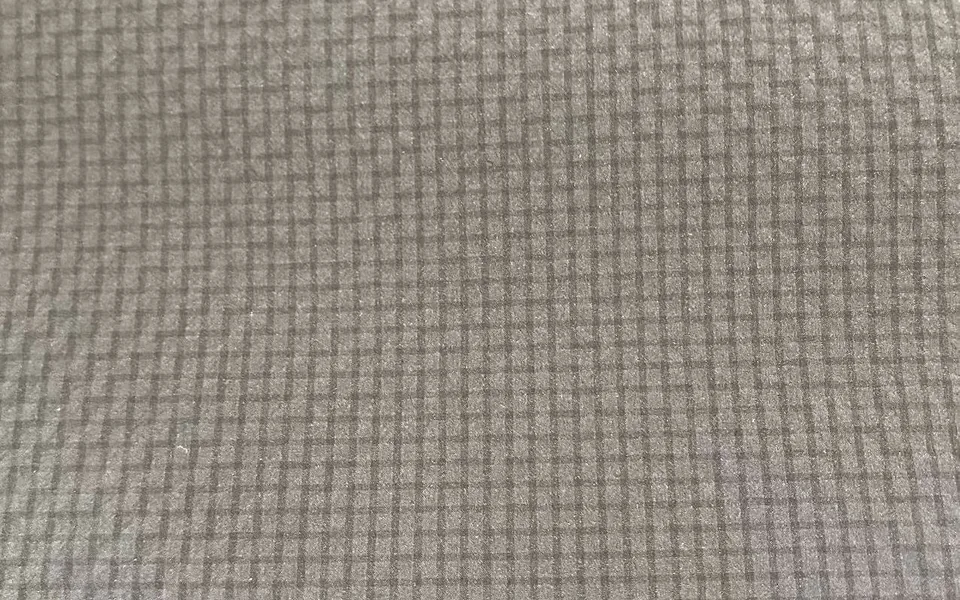
Woven constructions developed around the application, handle and functional priorities of sportswear, outdoor apparel and outerwear projects.
- Real sample references
- Flexible development
- Project-specific verification
Buyer value
Why buyers choose this category
Use this category as a development starting point, then confirm the final construction against your project brief.
Construction flexibility
Lightweight plain, ripstop, stretch and lining directions can be developed around the end use.
Sample-led development
Start from a swatch, garment brief or target construction and refine the direction through sampling.
Finishing options
Review surface, handfeel and functional finishing around the intended garment and approval method.
Bulk follow-up
Carry the approved construction, colour and agreed checks into production follow-up.
Development brief
Define the material direction before sampling
Use the category to frame material, construction and performance questions first. Then compare verified catalogue fabrics and sample-card references against the same brief.
Material & construction
- Nylon constructions
- Polyester constructions
- Stretch blends
- Recycled options when specified for the project
Performance & finish
- Lightweight construction
- Stretch and comfort
- Water-resistant finish options
- Quick-dry options
Relevant garment applications
Reviewed references
Fabric references with verification-first specifications
These are real Sinjo Textile fabric references. We publish composition, weight, construction and performance values only after the underlying specification has been reviewed. Missing fields are intentionally not guessed.
Related technical guides
Practical guides for buyer decisions
Buyer questions
Questions to clarify before sampling
What are performance woven fabrics?
Performance woven fabrics are fabrics built from interlaced warp and weft yarns, with construction, yarn size, density and finishing selected around the garment brief. In the Sinjo catalogue this category includes verified lightweight and midweight woven references. A woven label alone does not establish stretch, repellency, downproof performance or another functional result; those points need specification and project-level verification.
What are they used for?
Buyers commonly review performance woven directions for lightweight shells, running or training garments, insulated-apparel shells and linings, stretch panels and other technical garment zones. The correct construction depends on the required weight, handfeel, movement, durability, finish and test method. The category page is therefore a sourcing starting point, while each SKU page shows only the specification fields verified for that reference.
Which verified weights are currently shown?
The current verified Sinjo catalogue contains 10 references in this category with published weights spanning 32–160 GSM. This is a snapshot of the verified references currently online, not a promise that every weight in the interval is stocked or available. Open an individual SKU page to see its exact verified weight, then request a sample or development review for project-specific availability.
Which constructions can Sinjo develop?
Development can start from a verified woven SKU, a physical reference, a garment use case or a target construction. Useful decisions include yarn direction, weave or ripstop structure, finished weight, width, surface feel, stretch direction and finishing route. Any performance target should be stated together with the buyer’s evaluation or test method rather than inferred from a fabric name or appearance.
How do buyers request a fabric sample?
Choose a verified SKU from the catalogue and use its Request Sample action. The sample form carries the reference code, fabric name, category and source page into the enquiry so the buyer does not need to re-enter known data. Company, name and email are required; application, quantity, target specification and project timing can be left blank when they are not yet known.
Have a reference fabric or target specification?
Start with your application, construction and performance requirements. After reviewing the brief, we can arrange the appropriate way to exchange photos, swatches, specifications or technical files.