
Applications
Yoga Fabrics for Stretch, Soft Handfeel & Studio Apparel
Yoga and studio apparel often depends on close-to-body comfort, multidirectional movement, coverage and shape retention. The right fabric direction is reviewed around the garment fit, handfeel, stretch and recovery, opacity, moisture context and colour or print requirements.
- Application-led development
- Real fabric references
- Project-specific verification
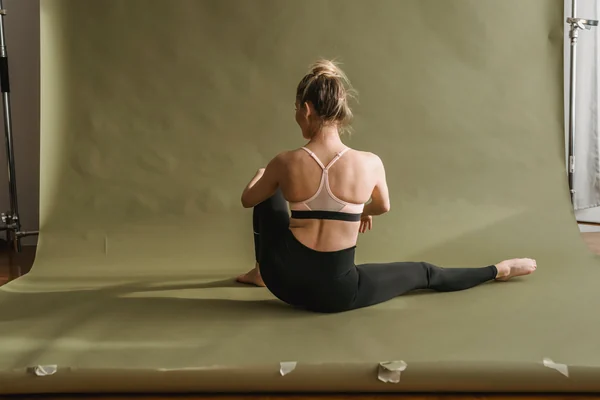
Buyer requirement overview
What should the fabric do?
Garment-specific fit
Define the garment zone, fit and body contact before choosing the material direction.
Weight & handfeel
Set the target lightness, drape and surface feel as development priorities rather than assumptions.
Movement & comfort
Map stretch, recovery, airflow or insulation needs to the panels that actually require them.
Durability & care
Clarify wear, laundering and surface expectations that may affect the approved construction.
Garment-zone map
Garment zone → recommended fabric direction
Different panels can need different constructions. Map the garment first, then evaluate each material direction against the same project brief.
Review multidirectional movement, recovery, close-to-body comfort, coverage and surface handfeel.
Balance stretch, stability, skin contact and garment support around the intended fit and construction.
Use mesh or print only where the garment design needs it, while checking coverage, stretch interaction and assembly.
Curated sample references
Compare fabrics by role, not just by category
Each reference below has a defined role and a reason to compare it for this garment. Use the recorded specifications as a starting point, then confirm physical sample, colour, performance targets and commercial requirements for the project.
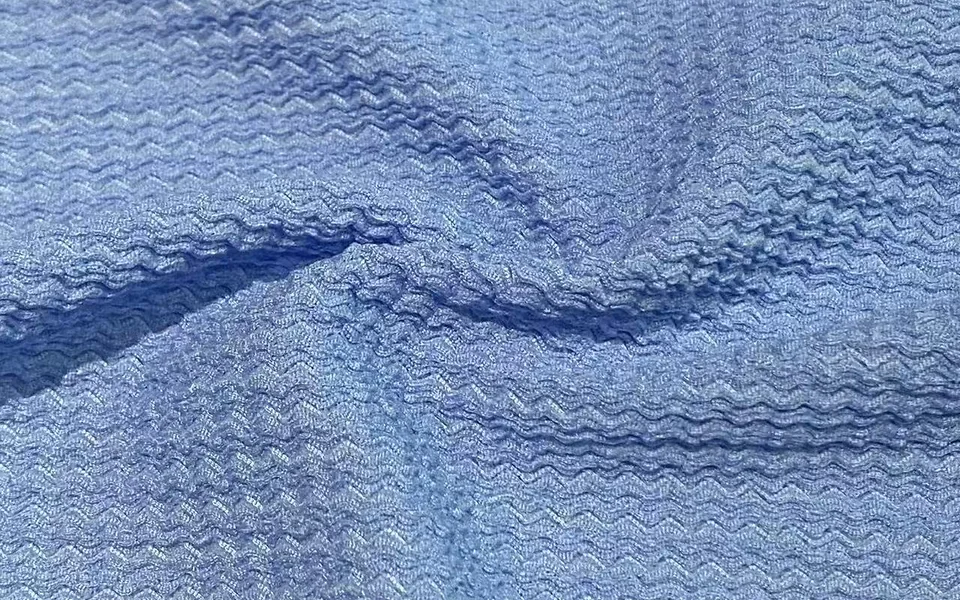
Stretch-knit body reference
KNIT FABRIC
SJMSG0102
180 gsm · 93% Polyester / 7% Spandex
Why compare it: 180 gsm polyester/spandex knit reference for discussing close-to-body movement, recovery, handfeel and coverage; yoga-specific performance is not inferred.
Development workflow for buyers
A clear path from brief to bulk follow-up
Brief review
Define the garment, target use and key priorities.
Material consultation
Review suitable fabric directions and reference samples.
Sample development
Refine construction, handfeel, colour and finishing questions.
Testing feedback
Evaluate agreed project-specific checks and revise where needed.
Bulk follow-up
Carry the approved direction into production follow-up.
Common questions
Questions buyers ask before sampling
Which fabric direction should we start with?
Start with the garment zone, fit, target handfeel and the performance priorities that matter most. A reference swatch or existing garment is useful but not required.
Can you develop from an existing reference?
Yes. Use the reference to define visible construction and handfeel, then confirm any technical requirement separately during development.
Can different garment zones use different fabrics?
Yes. Mapping shell, lining, stretch and ventilation zones before sampling often produces a clearer development brief.
What information helps the first review?
Garment type, target construction, known weight or width, performance priorities, colours, estimated quantity and timing are useful starting inputs.
Are example ranges on this page final specifications?
No. Example ranges are planning guidance only. Final composition, weight, finish and performance are confirmed for the selected development.
Technical help
Questions worth clarifying before sampling
Discuss your application with Sinjo
Start with the garment, target construction and performance priorities. The application field is carried into the inquiry form so the first review keeps this context.