
Applications
Outdoor Fabrics for Shells, Linings & Layered Apparel
Outdoor garments often balance low weight, weather protection, comfort and durability. The right fabric direction depends on the layer, construction and intended use.
- Application-led development
- Real fabric references
- Project-specific verification
Buyer requirement overview
What should the fabric do?
Garment-specific fit
Define the garment zone, fit and body contact before choosing the material direction.
Weight & handfeel
Set the target lightness, drape and surface feel as development priorities rather than assumptions.
Movement & comfort
Map stretch, recovery, airflow or insulation needs to the panels that actually require them.
Durability & care
Clarify wear, laundering and surface expectations that may affect the approved construction.
Garment-zone map
Garment zone → recommended fabric direction
Different panels can need different constructions. Map the garment first, then evaluate each material direction against the same project brief.
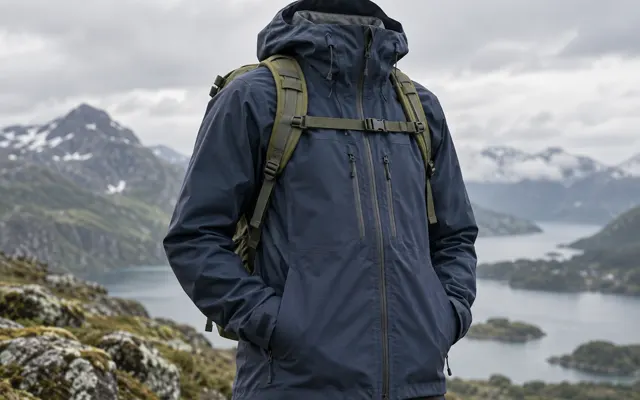
Balance protection, weight, movement and surface durability around the intended conditions.
Review packability, handle, wind exposure, finish and garment construction.
Choose inner constructions around airflow, skin contact, pocket use and garment assembly.
Curated sample references
Compare fabrics by role, not just by category
Each reference below has a defined role and a reason to compare it for this garment. Use the recorded specifications as a starting point, then confirm physical sample, colour, performance targets and commercial requirements for the project.
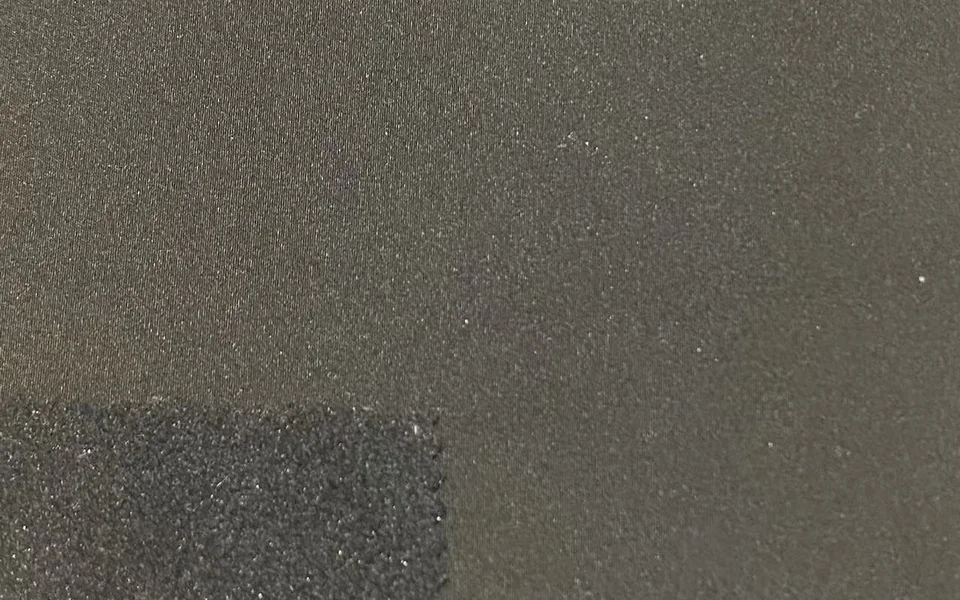
Weather-facing shell reference
100D 4 way stretch
SJQY085-3L
300 gsm · 92% Polyester / 8% Spandex
Why compare it: Layered stretch reference for comparing shell construction, weight and barrier direction against the project brief.
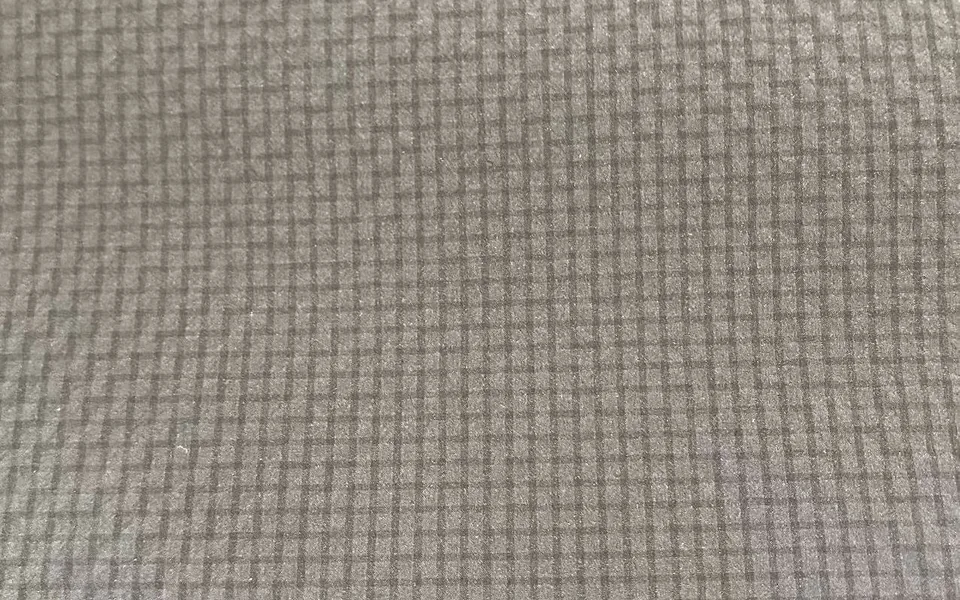
Woven shell / mobility reference
T800 Seersucker
SJQY140
130 gsm · 100% Polyester
Why compare it: 130 gsm polyester woven reference for comparing handle and movement against heavier layered options.
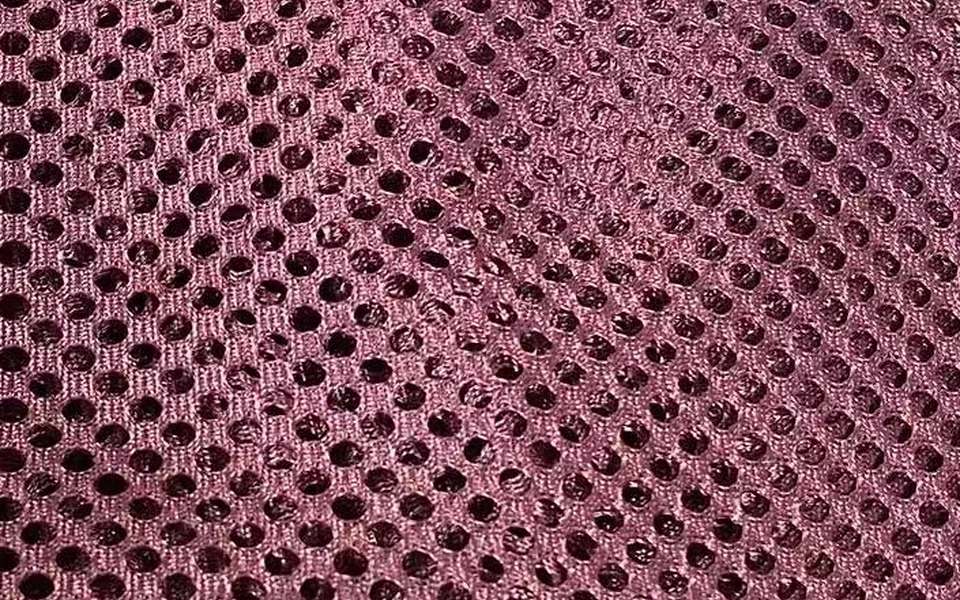
Ventilation or inner-panel reference
Open Hole Mesh
SJHS125063
150 gsm · 100% Polyester
Why compare it: Open-hole mesh reference for discussing panel openness, lining use and garment assembly.
Real sample-card references
Fabric samples to discuss for Outdoor apparel
Each reference below is selected individually from its sample-card data and visible fabric structure. Suggested uses are development directions, not proof that the material has been approved for the garment or performance target.
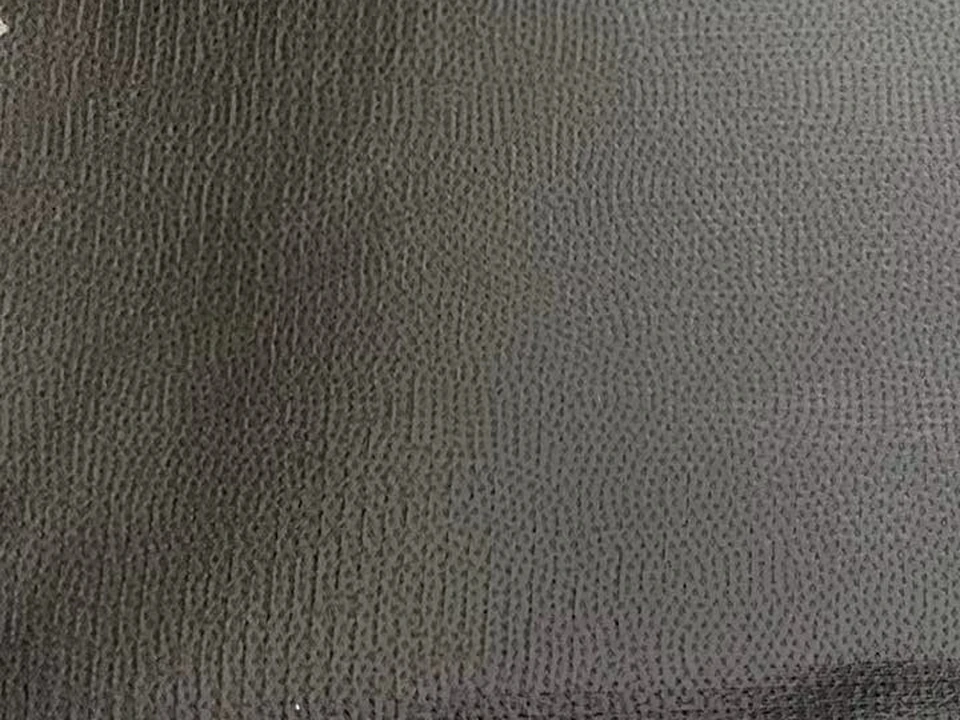
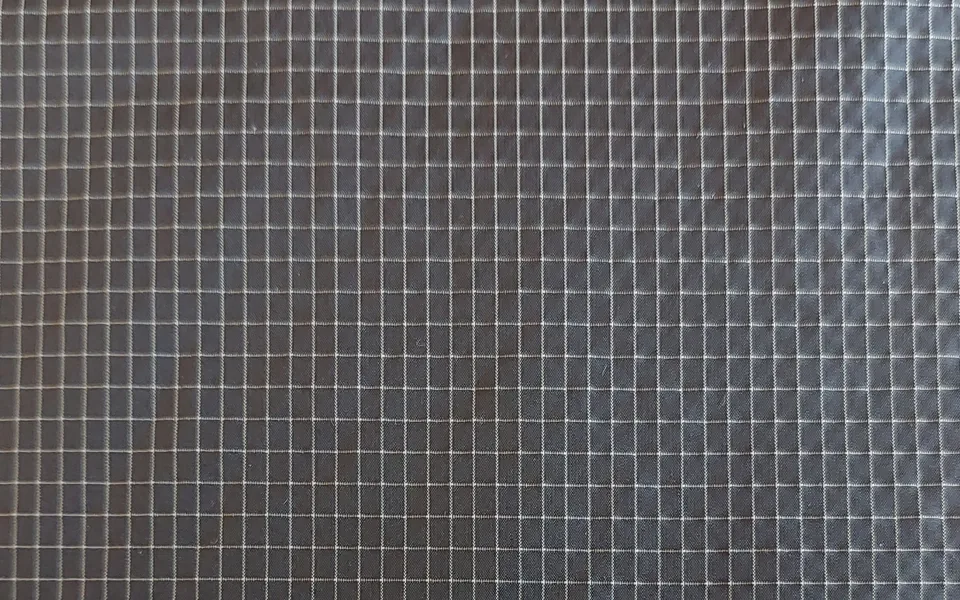
TPU laminated check reference
SJQY0097
Dark structured surface with a subtle linear check. The handwritten sample note identifies a TPU-related laminated direction; no waterproof or breathability value is inferred.
- Composition
- 100%P (handwritten)
- Weight
- 135 GSM (handwritten)
- Remark
- 中透TPU / 单线格 (handwritten; yarn notation needs recheck)
Outdoor shell development · Lightweight laminated panel development
Handwritten sample note; exact yarn notation should be confirmed before quoting.
Source: supplier sample card. Not a verified catalogue SKU.
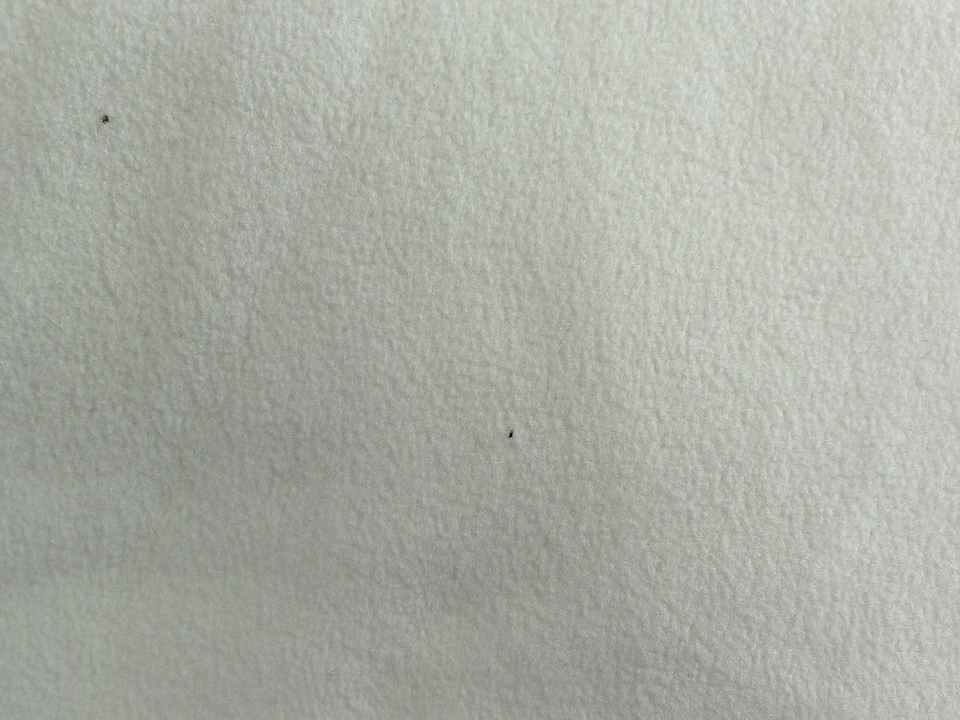
Double-sided pile fleece reference
SJWS0014
Light-coloured dense pile fleece with a soft, raised double-sided surface. The image supports warmth/handfeel discussion, not a measured thermal value.
- Composition
- 100% Polyester
- Description
- PILE FLEECE / 全涤双面羊羔绒
- Weight
- 359 ±5% GSM
- Width
- 160 CM ±5%
Warm midlayer development · Jacket lining or casual outer-layer discussion
Sample card states 359 ±5% GSM while another source record uses 350 g; confirm against the physical sample.
Source: supplier sample card. Not a verified catalogue SKU.
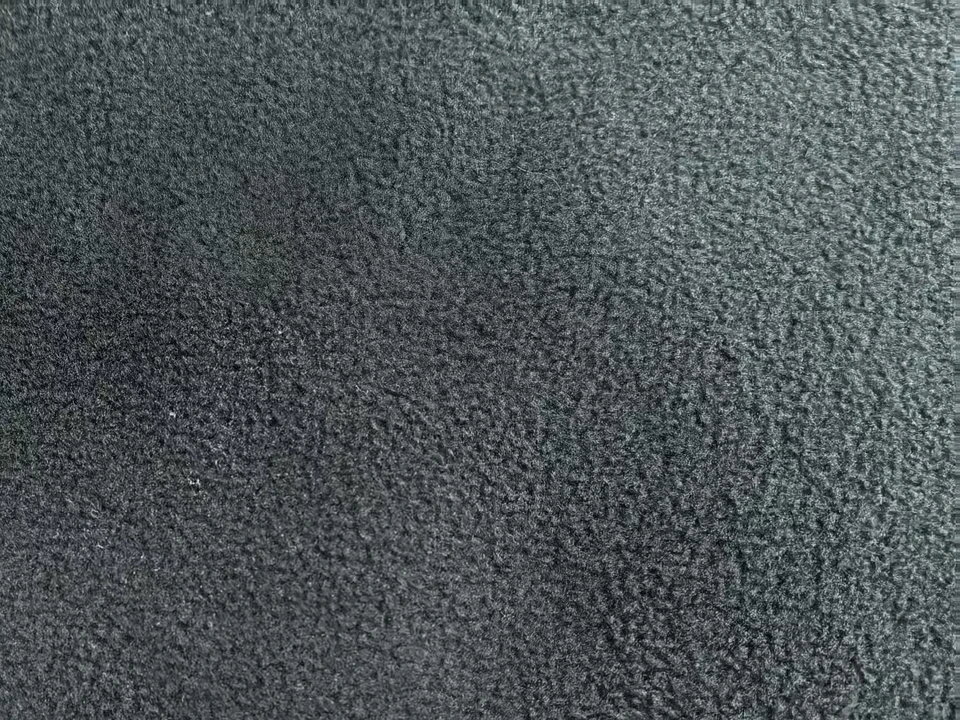
Micro fleece reference
SJWS0015
Dark charcoal micro-fleece surface with a dense, softly raised pile. The photograph supports surface and handfeel discussion, not a thermal-performance claim.
- Composition
- 100% Polyester
- Description
- MICRO FLEECE / 全涤摇粒绒双刷单摇
- Weight
- 215 ±5% GSM
- Width
- 170 CM (tolerance needs recheck)
Midlayer development · Warm lining or casual outerwear discussion
Sample card states 215 ±5% GSM while another source record uses 200 g; confirm against the physical sample.
Source: supplier sample card. Not a verified catalogue SKU.
Development workflow for buyers
A clear path from brief to bulk follow-up
Brief review
Define the garment, target use and key priorities.
Material consultation
Review suitable fabric directions and reference samples.
Sample development
Refine construction, handfeel, colour and finishing questions.
Testing feedback
Evaluate agreed project-specific checks and revise where needed.
Bulk follow-up
Carry the approved direction into production follow-up.
Common questions
Questions buyers ask before sampling
Which fabric direction should we start with?
Start with the garment zone, fit, target handfeel and the performance priorities that matter most. A reference swatch or existing garment is useful but not required.
Can you develop from an existing reference?
Yes. Use the reference to define visible construction and handfeel, then confirm any technical requirement separately during development.
Can different garment zones use different fabrics?
Yes. Mapping shell, lining, stretch and ventilation zones before sampling often produces a clearer development brief.
What information helps the first review?
Garment type, target construction, known weight or width, performance priorities, colours, estimated quantity and timing are useful starting inputs.
Are example ranges on this page final specifications?
No. Example ranges are planning guidance only. Final composition, weight, finish and performance are confirmed for the selected development.
Technical help
Questions worth clarifying before sampling
Discuss your application with Sinjo
Start with the garment, target construction and performance priorities. The application field is carried into the inquiry form so the first review keeps this context.